Your guide to locating value and opportunity in the Columbia metro area
If you're looking to purchase a brand‑new home around Columbia, South Carolina—whether as a first-time buyer, investor, or someone relocating—you’ve got several promising submarkets to explore. While the broader Columbia area has seen steady appreciation and active competition, savvy buyers can still find pockets of affordability and builder incentives if they know where to look.
In this post, I’ll walk you through the current market dynamics, what “affordable new construction” realistically means in 2025, and then highlight neighborhoods and corridors around Columbia where the best opportunities are emerging. I’ll also share tips you can use to spot deals and get the inside edge in a competitive environment.
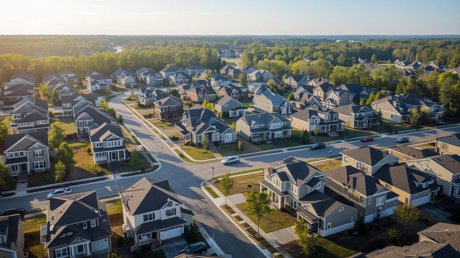
Columbia Area Market Snapshot: Why New Construction Matters Now
Before diving into neighborhoods, it helps to understand the backdrop:
- Over the past year, 5,819 residential properties have sold in Columbia, with a median home price around $264,400 (ATTOM)
- Zillow reports an average home value of about $225,993 and notes that new listings are often moving to pending status in ~20 days.
- The region is seeing renewed pricing momentum, with some reports of a 7% quarter-over-quarter price surge in Q3 2025
All of this means that competition is real—and older, move-in‑ready homes are facing stiff bidding pressure. In that environment, new construction offers some advantages:
- Less deferred maintenance (lower risk of sudden repairs)
- More modern floorplans, energy efficiency, and builder warranties
- Opportunities for builder incentives (closing help, upgrades)
- Ability to lock in today’s prices in fast-appreciating markets
However, “affordable” is relative. In many of Columbia’s new-home listings, you’ll see 3-bedroom homes priced in the $200,000 to $280,000 range (or higher, depending on lot, finishes, and location)
Given rising land and material costs, the real key is finding areas where land is still cheaper, infrastructure is developing, and builders are pushing projects to get started.
Top Areas to Watch for Affordable New Construction
Below are some of the submarkets and development corridors around Columbia where I’m seeing strong value potential:
Let me highlight a few:
- Pinecrest (West Columbia): A development by Mungo Homes, offering multiple floorplans from about 1,500 to 1,900 sq ft, with base prices in the low $200,000s.
- Astoria Townhomes (Elgin area): A large-scale townhome community (310 units) aimed explicitly at more affordable new housing, with pricing starting in the high $100,000s.
These are good examples of the kinds of projects to track. Builders who are launching phases or selling “pre‑sales” (before model homes are complete) often offer better pricing or incentives than when a community is fully built out.
Tips to Spot the Best Deals (And Avoid Pitfalls)
Whether you're a buyer, seller, or investor, here are tactics to help you navigate:
1. Get “on the list” early
Many builders offer VIP lists or presale signups. Those early buyers often get base pricing, lot choice, or incentive packages (e.g. appliance upgrades, closing cost credit).
2. Watch for “late‑release” lots or model home closeouts
As inventory phases age, builders may discount the last few remaining lots or model homes. That’s where negotiation room is more likely.
3. Understand lot premiums and site costs
Sometimes a home will look affordable until you see that a particular lot adds $20,000+ to the price (due to grading, views, utility runs). Always ask: what would the same home cost on a “standard” lot?
4. Compare builder reputations and warranties
Don’t just consider price—check how the builder handles warranty calls, past disputes, finish quality, and timeliness of delivery.
5. Factor in infrastructure and future growth
If you’re buying at the edge of development, consider whether roads, schools, and utilities will keep pace. Sometimes “affordable now” becomes less desirable later if surrounding investment lags.
6. Think medium-term resale or rental potential
For investors especially prioritize areas where demand is growing (job growth corridors, new businesses, transit access) so that appreciation / turnover is stronger.
Why This Matters for Sellers & Investors Too
- For sellers / developers: Understanding where affordable new construction is in demand can help you identify parcels to acquire or submarkets to phase into.
- For investors: New construction in growing submarkets often yields lower renovation costs, fewer surprises, and easier turnover.
- For local real estate professionals: Being the expert on these “emerging corridors” can position you as a go-to agent or broker for buyers who want value and quality.